
In depth articles
I believe that detailed knowledge and understanding provides an essential foundation for the work that I do in designing gardens for my clients; and that this is worth sharing with a wider audience. These articles are my own distillation of some of what I have learned over years of reading and study, and cover a range of topics in botany, soil science, design theory and many other areas of knowledge.
Where possible, I’ve attempted to explain my own understanding from first principles, meaning that some articles stray into core sciences such as chemistry and physics; and a few may be a little technical. I hope you find as much value in reading them as I did in writing them.
If you’re new to plant and soil science, you may want to read this article first.
To find a specific article, filter by category or use the search box.
Anatomy of a stem
An examination of the tissues present in a typical plant stem, their function, and how they develop and change as the plant grows and matures.
Anatomy of a leaf
A detailed look at the internal structure of a typical plant leaf, examining the types of cells and their function.
Movement in plants
A brief discussion of the three main ways in which water, nutrients and gases move within plants, being mass flow, osmosis and diffusion; and of when and why particular substances move in the way that they do.
More chemistry
An overview of the difference between inorganic and organic chemistry, and how both are relevant to understanding plants and their environment, including a summary of some of the most important types of organic molecules found in plants.
Intermolecular forces
A simple explanation of some of the forces that exist between molecules, and which are essential for movement of water and nutrients through plants

Chemistry primer
Whether completely new to chemistry or in need of a refresher, this will help with understanding some of the key concepts used throughout Getting Dirty.
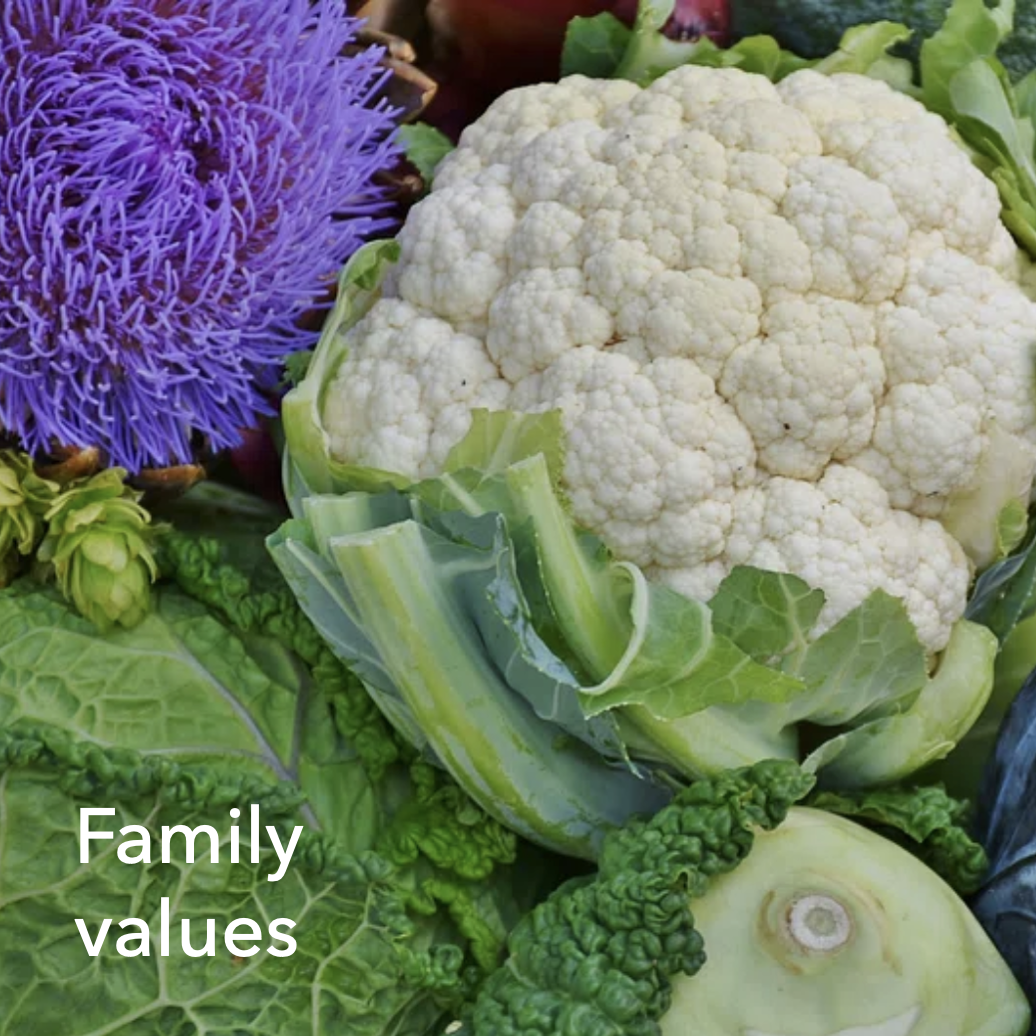
Family values
This final article on plant classification looks into the idea of plant families, and why it is helpful to know which family a particular plant belongs to.
The cycle of life
An overview of the main stages of a plant's life cycle, from seed germination to senescence and death, together with a discussion of how some plants benefit from completing their lifecycle in a particular lifespan.
Counting seed leaves
An overview of the main differences between monocotyledonous ("monocots") and eudicotyledonous ("eudicots") plants; although defined by the number of seed leaves ("cotyledons"), this is not the most important difference.
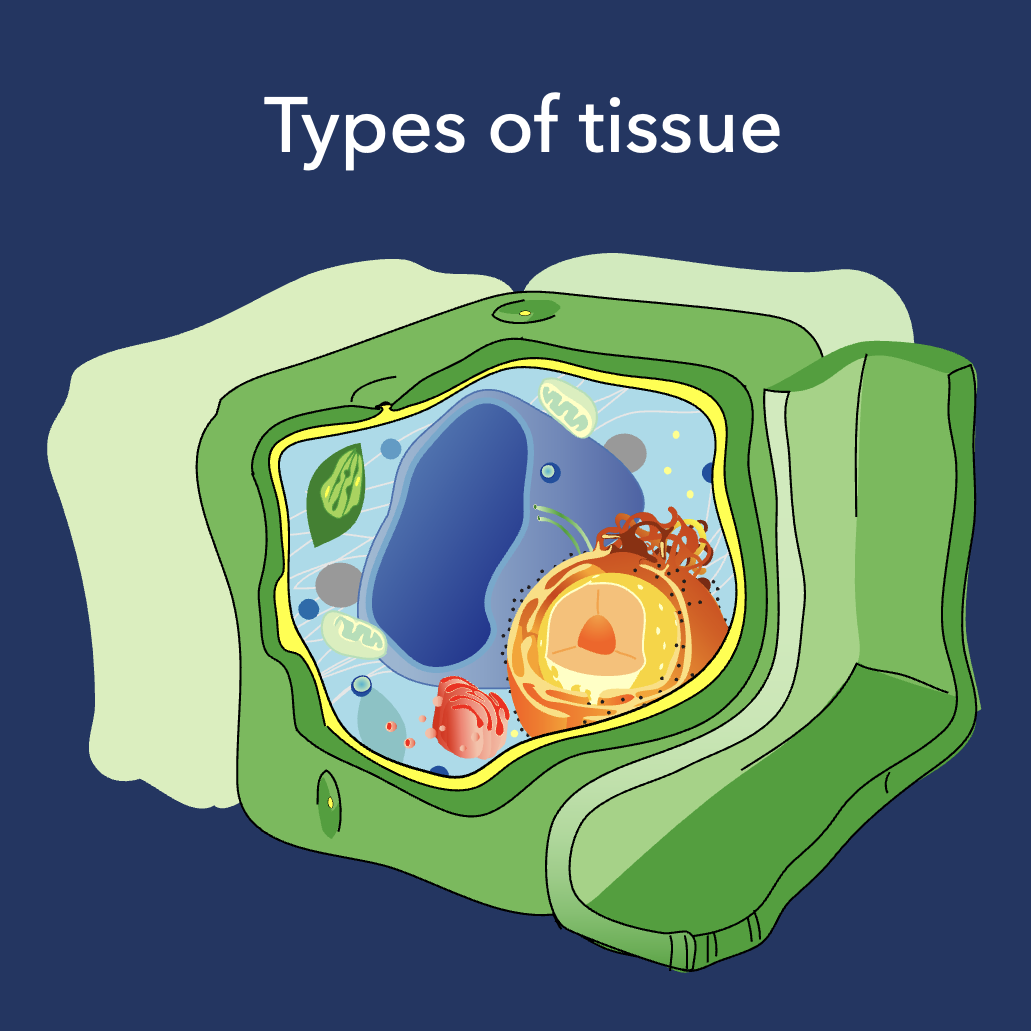
Types of tissue
The first intermediate level article on Getting Dirty, looking into the difference between plant and animal cells, and the four main types of tissue in plants: meristem, dermal, vascular, and ground tissues.
The naming of parts
An introduction to plant anatomy at the highest level: the main parts of a plant, their components, and their purpose in helping the plant survive, thrive and grow.

What’s in a name?
An explanation of the Linnaean taxonomy for classifying organisms; an introduction to botanical Latin, and a discussion of the reasons for its use.
From moss to flowers
An overview of the four main groups of plants and some of the key differences between them.

Further reading
A list of resources used in researching these in depth articles, including books, pamphlets, newsletters, academic articles, websites and YouTube channels.
Why write these articles?
Why it is important to dig deeper into issues in gardening and garden design.
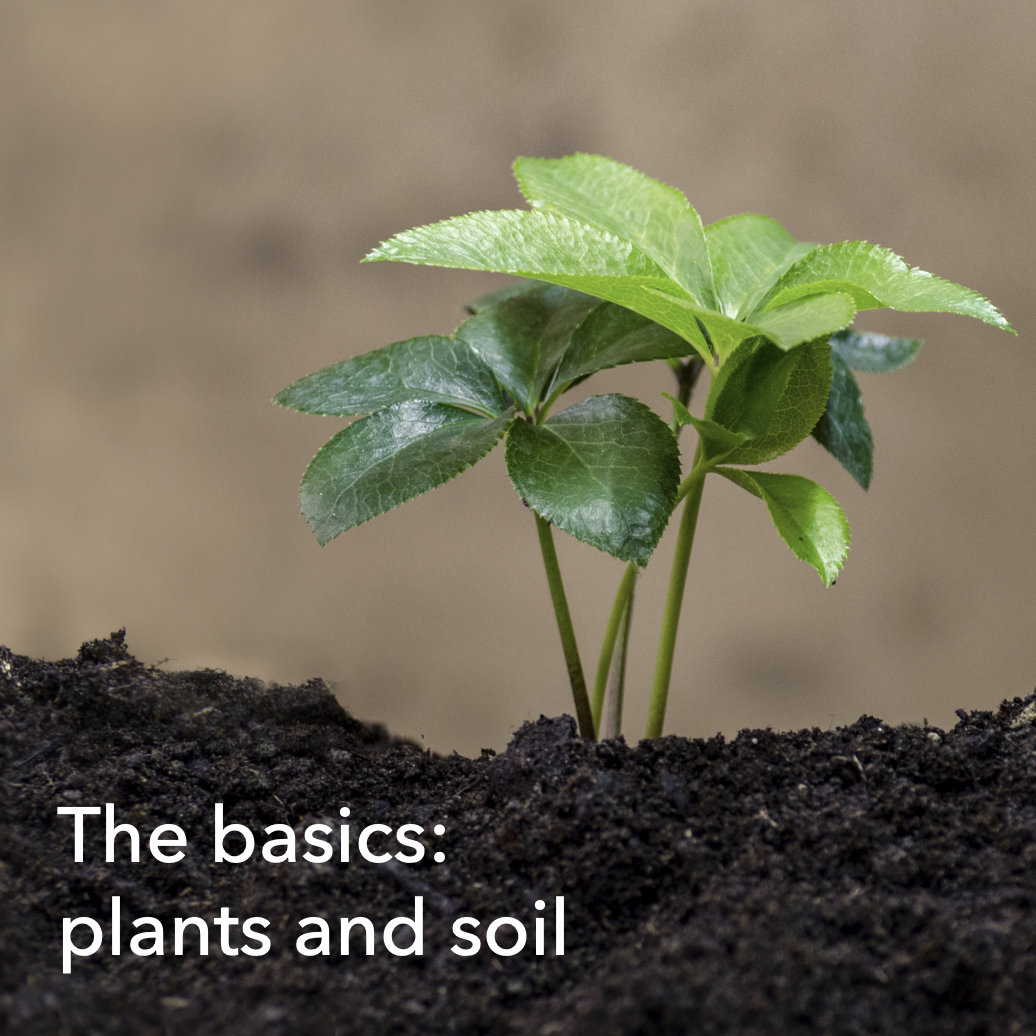
The basics: plants and soil
A simple introduction to plants and soil: the critical processes that allow plants to grow and thrive, and how these rely on the environment in which plants live.